



On the Tour du Mont-Blanc, booking your accommodation shapes the whole itinerary. When to book, in what order, what a night in a refuge includes and how to handle a change of plan: here is the full guide.
When do bookings open?
Bookings for the summer season generally open several months before departure. For summer 2027, the official website gives an opening date of 15 October 2026 for all the refuges on the platform.
Booking early is essential, especially for high-season departures. July and August concentrate high demand, and some accommodation can fill up fast. If you have fixed dates, a group, a family or a need for a private room, it's best to book as soon as you can.
For June or September, availability can be more flexible, but it's still advisable not to leave it to the last minute. The weather, the opening of the cols, refuge availability and travel constraints also need to be taken into account.
The official Mon Tour du Mont-Blanc website states that only accommodation providers who are members of the Association des Gardiens de Refuges et Gîtes du Tour du Mont-Blanc can be booked online via its platform. For other accommodation, you will need to contact the establishments concerned directly.
The 5 steps to booking:
1. Choose how you'll split the route. Before looking at availability, settle on your duration, your direction of travel and your main stages. A coherent itinerary avoids days that are too long or badly balanced.
2. Check availability. Depending on the dates, some refuges will show as full. You'll then need to adjust the stage, aim for accommodation nearby or shift your rhythm slightly.
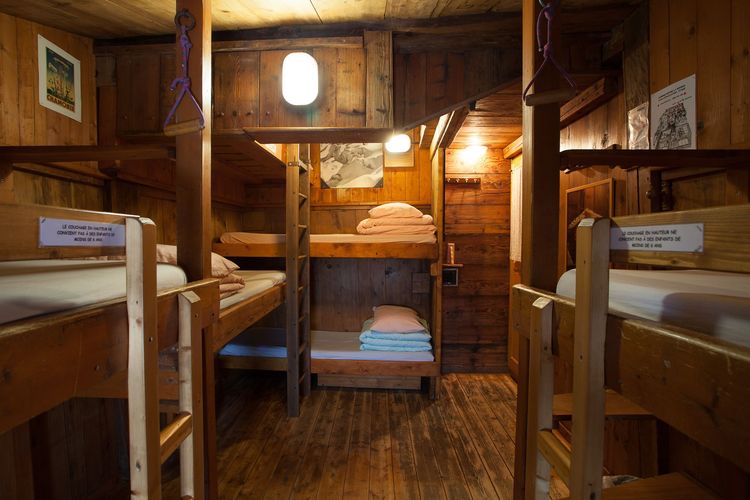
3. Choose the refuge. Look at the practical details: location, altitude, type of sleeping arrangement, meals, services, payment methods, arrival times and cancellation terms.
4. Confirm. Keep your confirmations on your phone and, if possible, on paper. Over several days of walking, it's better to be able to access them without a signal.
5. Prepare for your stay. Let the refuges know about any specific dietary requirements, a late arrival, or if you're coming with a child or a dog. The more the wardens know, the smoother your welcome will be.
What if a refuge is full?
A full refuge doesn't necessarily mean your plan is impossible. The first option is to adjust the itinerary slightly. A refuge just before or just after your intended stage can keep the overall progression logical.
The second option is to watch for cancellations. They do happen, particularly several weeks before departure, so it's worth checking availability regularly.
The third option is to shorten or extend a stage. Sometimes adding an hour of walking or stopping earlier is enough to save the whole plan. But be careful not to create a disproportionate day the following day.
Finally, if you're going in high season, keep some flexibility. The most sought-after dates may force a few adjustments. The best itinerary is sometimes the one that combines what you want with what's actually available.
Why book through the official website?
Booking through the official website means going straight through the network of partner refuges and gîtes. That's a real advantage for seeing availability, keeping your bookings in one place and supporting a local model run by the people on the ground.
The refuges available online are those belonging to the Association des Gardiens de Refuges et Gîtes du Tour du Mont-Blanc. This approach gives hikers a clear picture and showcases a structured network covering the whole route.
It's also a way of avoiding unnecessary intermediaries if you want to organise your TMB independently. You build your itinerary stage by stage, with a clear view of the accommodation available.
Common mistakes to avoid
1. Booking without checking the elevation gain. Two refuges can look close on a map and still make for a very demanding day on the ground.
2. Underestimating high season. Between mid-July and mid-August, you really do need to plan ahead.
3. Not having a plan B. On a long trek, identify the transport links, villages, alternative accommodation and possible exit points.
4. Overlooking comfort. A private room or a shorter stage can transform the experience, particularly for families, active seniors or first-time trekkers.

Check availability in real time
See the places remaining in the refuges and guesthouses of the Tour du Mont-Blanc and book your stages on the official website.