


On the Tour du Mont-Blanc, every item is carried for 170 km: the point is not to pack a lot, but to pack right. Here is the check-list, category by category, for a pack of around 8 kg without going without the essentials.
The backpack: aim for 8 to 10 kg, water included
For a TMB staying in refuges, a 35 to 45 litre pack is usually the right size. It leaves enough room for clothes, first-aid kit, water, packed lunch, waterproof jacket, sleeping bag liner and small accessories, without tempting you to overload it.
The most important criterion isn't just volume, it's the carry. A good pack should transfer the weight onto your hips through an effective hip belt. Your shoulders shouldn't be taking the whole load. A ventilated back panel, load-lifter straps, a chest strap, accessible pockets and a rain cover are all useful features too. Nothing should be hanging off the outside of the pack.
Before you leave, test your pack fully loaded for several hours. Check for rubbing, the adjustment of the shoulder straps, how stable it feels on the descents and how easily you can reach the things that matter. A well-adjusted pack makes a real difference over a week of walking.
Footwear
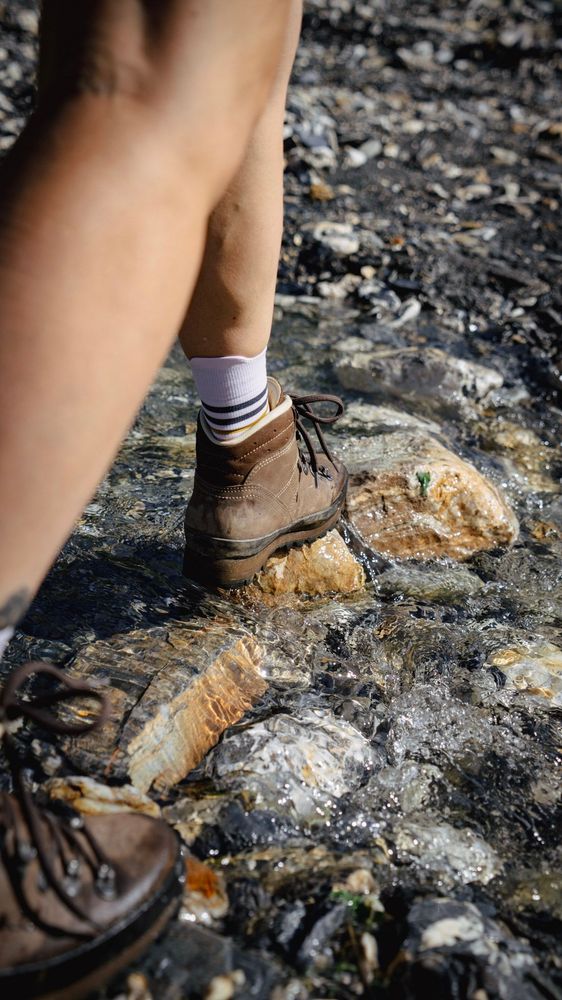
Footwear is one of the most important choices for a successful Tour du Mont-Blanc. It determines comfort, stability, confidence on the descents and how well you avoid blisters.
For a first TMB, go for mid or high-cut hiking boots with good grip, a sole suited to rocky ground and enough protection against damp. Low-cut shoes can work for some experienced hikers, but they call for real familiarity with walking on varied terrain (scree, rock slabs, loose ground and so on).
The essential point: never set off in brand-new boots. They need to be broken in over several outings, ideally 80 to 150 km before departure. Test your socks as well. Technical or merino wool socks limit rubbing far better than cotton, which holds moisture.
Pack a light pair for the evening at the refuge too. Your feet will need to breathe after the day, and hiking boots are generally left at the entrance to the accommodation.
The three-layer system
The three-layer system is the foundation of mountain clothing. It lets you adapt to changes in temperature without multiplying the number of garments you carry.
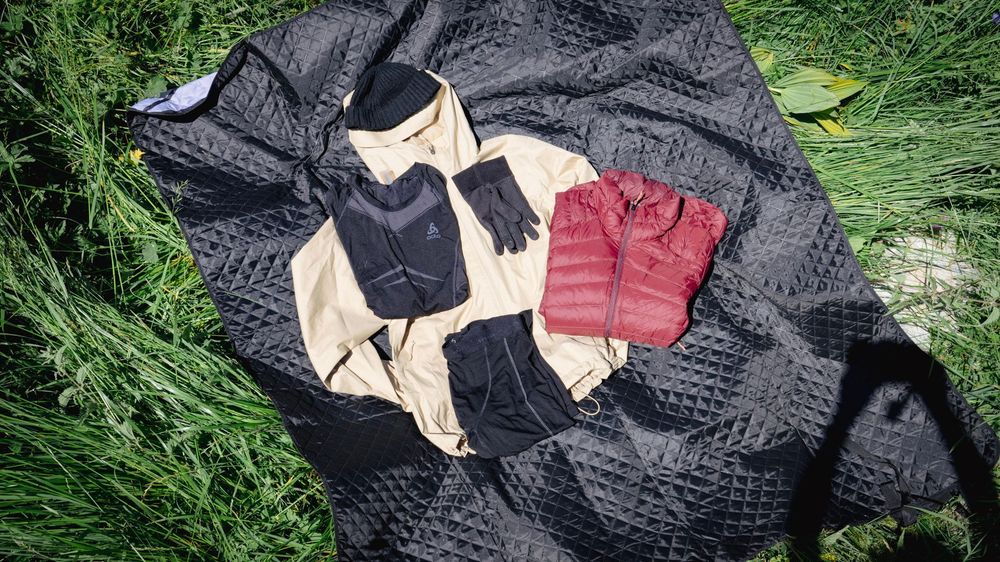
The first layer is breathable. Its job is to wick away sweat and keep your skin as dry as possible. A technical or merino t-shirt is ideal.
The second layer is insulating. It holds in warmth when the temperature drops: at the top of a col, early in the morning or in the evening. A light fleece or a packable down jacket will do the job depending on the season.
The third layer protects against wind and rain. A waterproof, windproof jacket should always stay within reach in your pack, even when the weather looks settled. In the mountains, conditions can change quickly. It's important to check the local forecast and stay alert to sudden changes, particularly where storms are concerned.
Walking essentials
Beyond clothing, a few accessories make a big difference to comfort and safety. Trekking poles are very useful on the TMB, especially on the long descents. They take the load off your knees, improve your balance and help you keep a steady rhythm.
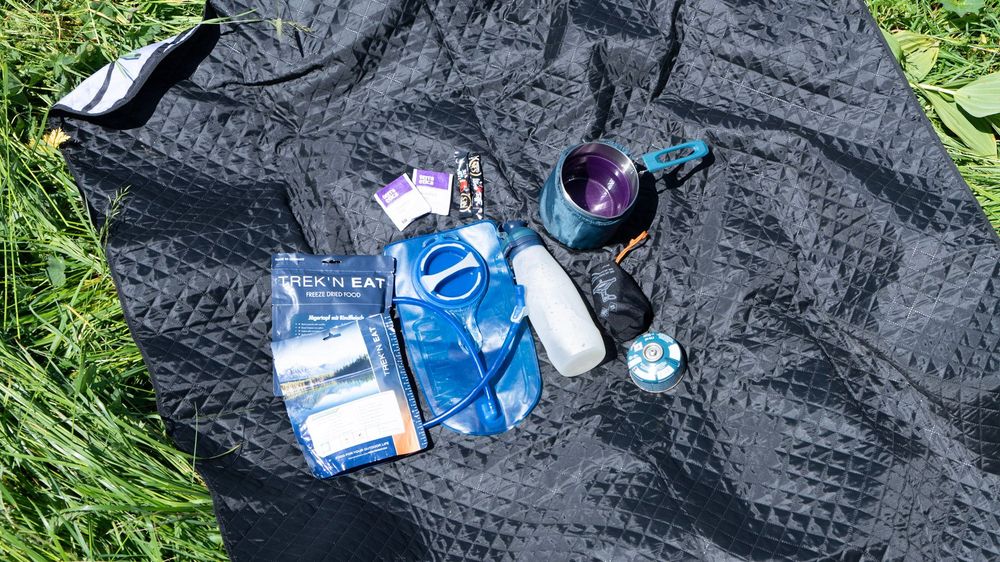
For hydration, plan on at least 1 to 1.5 litres of water depending on the heat and the stage. A bottle or a hydration bladder both work well. Don't forget a cap or hat, sunglasses, high-factor sun cream and a neck gaiter.
Your first-aid kit should stay compact but effective: blister plasters, standard plasters, antiseptic, a suitable painkiller, survival blanket, a light bandage, anti-chafing cream and any personal medication.
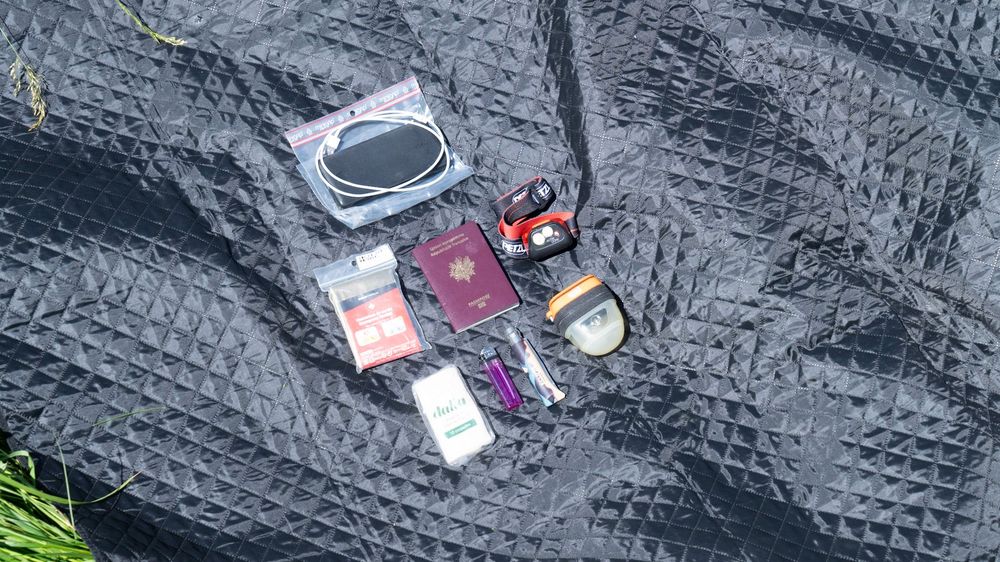
The IGN “Tour du Mont-Blanc” paper map is your best ally throughout the tour, and even more so once you're in a dead zone (out of network coverage).
Nights in a refuge
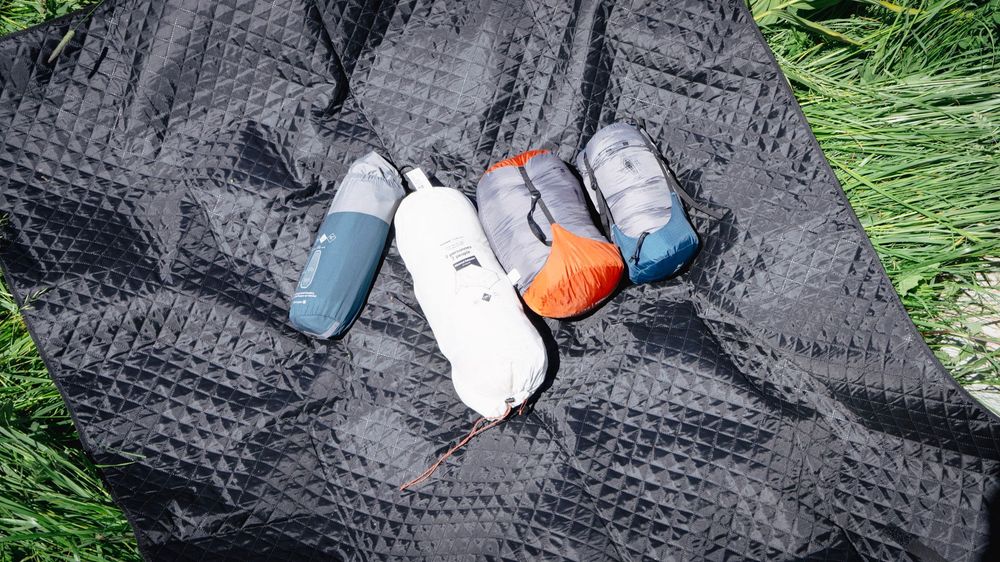
Sleeping in a refuge calls for a few specific items. A sleeping bag liner is strongly recommended, and often required for hygiene reasons.
Also pack earplugs, a head torch, a microfibre towel, a compact wash bag and dry clothes for the evening. In a dormitory, comfort often comes down to small details: being able to change into something dry, finding your head torch easily, not waking everyone up while you hunt for your things.
Avoid carrying too many toiletries. A bar of soap, a toothbrush, a small tube of toothpaste and a few essentials are enough. Every gram saved will be felt on the trail.
What to leave at home
The classic trap is packing extra clothes “just in case”. On a multi-day trek, you're better off with versatile pieces that dry fast and can be worn more than once. There's no need to carry a full outfit for each day.
Leave the heavy books, the bulky wash bag, the bulky spare shoes and any non-essential accessories behind as well. The TMB is an exercise in travelling light: the simpler your pack, the more enjoyable your walk.
Download "the Refuge check-list"
Download "the Bivouac check-list"
Ready to build your Tour du Mont-Blanc?
Move from theory to practice: discover the full route, the refuges and the tools to organise your trek stage by stage.